
The human body is a truly remarkable machine, capable of fending off countless pathogens and ailments with its sophisticated immune system. However, this system can become compromised if we don’t take care of ourselves properly. That’s where nutrition comes into play – it’s not just about keeping our waistlines in check, but ensuring our bodies have the tools they need to fight off infection and disease.
Understanding the Immune System
Before delving into the nutritional strategies that can boost your immune system, it’s important to have a basic understanding of how it works. The immune system is a complex network of cells, tissues, and organs that collaborate to detect, attack, and destroy harmful invaders like viruses, bacteria, and cancer cells. It has two main branches: the innate immune system, which provides the first line of defense against invaders, and the adaptive immune system, which mounts a specific response to each pathogen it encounters. Together, these systems work tirelessly to keep us healthy.
The Role of the Immune System in Our Bodies
Without an effective immune system, our bodies would be constantly under attack by microbes and tumors. The immune system protects us by identifying and destroying harmful substances while leaving healthy cells unharmed. It’s responsible for preventing infections, clearing up debris after injury, and fighting cancer, among many other functions.
One of the most important roles of the immune system is to create memory cells. Memory cells are specialized cells that “remember” the pathogens that the body has encountered in the past. This allows the immune system to mount a faster and more effective response if the same pathogen is encountered again in the future.
Factors that Affect Immune Health

A variety of factors can influence the health and effectiveness of the immune system. Age, genetics, stress, and environmental factors like pollution and poor living conditions all play a role. However, perhaps the most important factor is nutrition.
Research has shown that certain nutrients are essential for a healthy immune system. For example, vitamin C is important for the production of white blood cells, which are the cells that fight infection. Vitamin D is also important, as it helps to activate immune cells and regulate their function. Zinc is another important nutrient, as it helps to maintain the integrity of the skin and mucous membranes, which act as barriers against pathogens.
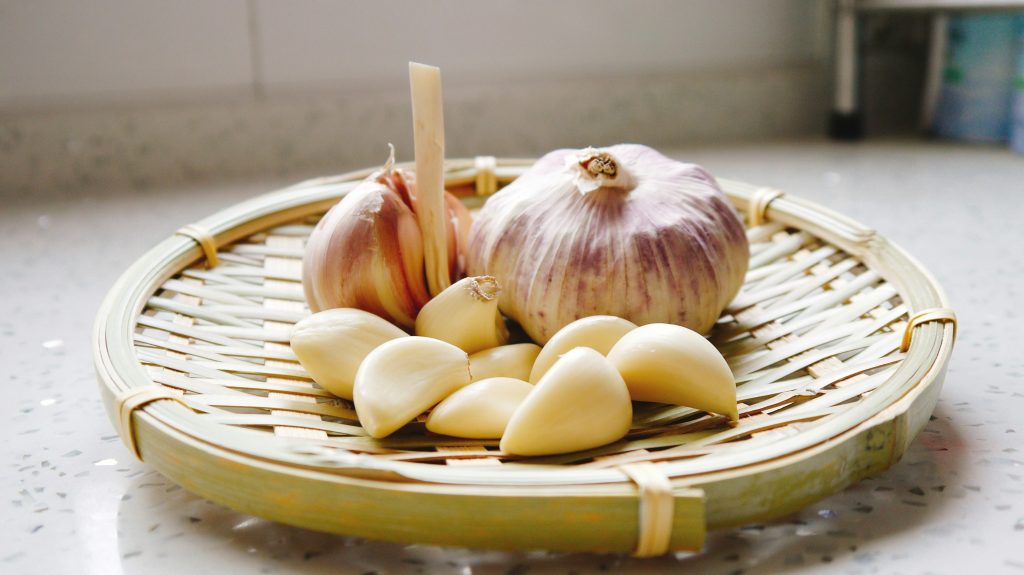
In addition to these nutrients, there are also certain foods that have been shown to have immune-boosting properties. For example, garlic has been shown to have antimicrobial and antiviral properties, while mushrooms contain beta-glucans, which have been shown to stimulate the immune system.
It’s important to note that while nutrition is important for immune health, it’s not the only factor. Getting enough sleep, managing stress, and avoiding smoking and excessive alcohol consumption are all important for maintaining a healthy immune system.
The Importance of Nutrition in Immune Health
Feeding your body the right nutrients is essential for optimal immune function. A diet that is low in nutrients and high in processed foods and sugar can weaken the immune system and leave you vulnerable to illness. On the other hand, a nutrient-dense diet can help support a healthy immune system and promote overall health and wellness.
It’s important to note that the immune system is complex and involves many different components, including various types of immune cells, antibodies, and signaling molecules. These components work together to defend the body against harmful pathogens, such as bacteria and viruses.
How Nutrients Contribute to Immune Function
Vitamins and minerals play a crucial role in immune function, aiding in the production and regulation of immune cells. For example, vitamin A is important for the development of immune cells called T cells, while zinc is essential for the function of immune cells called neutrophils.
Antioxidants like vitamins C and E help protect cells from damage caused by free radicals. Free radicals are unstable molecules that can damage cells and contribute to the development of chronic diseases, such as cancer and heart disease.
Protein is essential for building immune cells, as well as other tissues in the body. Without adequate protein, the body may not be able to produce enough immune cells to mount an effective defense against pathogens.
Omega-3 fatty acids are another important nutrient for immune function. These healthy fats help reduce inflammation in the body, which is a key factor in many chronic diseases. In addition, omega-3s have been shown to support immune function by enhancing the activity of immune cells called B cells and T cells.
The Link Between Diet and Immunity

Research has shown that a healthy diet can significantly improve immune function. In fact, a study published in the Journal of the American Dietetic Association found that a diet high in fruits, vegetables, and whole grains was associated with a lower risk of upper respiratory tract infections.
In addition to providing key nutrients, many plant-based foods also contain compounds called phytochemicals, which have been shown to have immune-boosting properties. For example, garlic contains a compound called allicin, which has been shown to enhance immune function and reduce the risk of certain infections.
It’s important to remember that no single nutrient or food can provide all the benefits needed for optimal immune function. Instead, a varied and balanced diet that includes a wide variety of nutrient-dense foods is the best way to support immune health.
Key Nutrients for a Strong Immune System
Having a strong immune system is important for overall health and well-being. The immune system is responsible for protecting the body from harmful pathogens, such as bacteria and viruses. While there are many factors that contribute to a strong immune system, proper nutrition is one of the most important. In this article, we will explore some of the key nutrients that are essential for immune function.
Vitamins and Minerals for Immunity
Vitamins and minerals play a crucial role in immune function. They support the production and activation of immune cells and help protect cells from damage caused by free radicals. Vitamin A, for example, is important for the development of immune cells called T-cells, which help fight off infections. Vitamin C is essential for the production of white blood cells, which are responsible for fighting infections. Vitamin E and the minerals zinc and selenium also play important roles in immune function.
Fortunately, there are many foods that are rich in these essential nutrients. Citrus fruits, such as oranges and grapefruits, are excellent sources of vitamin C. Berries, such as strawberries and blueberries, are packed with antioxidants and other immune-boosting nutrients. Leafy greens, such as spinach and kale, are rich in vitamins A and E. Nuts and seeds, such as almonds and sunflower seeds, are great sources of zinc and selenium. Whole grains, such as brown rice and quinoa, are also packed with immune-boosting nutrients.

The Role of Antioxidants in Immune Health
Antioxidants are compounds that help protect cells from damage caused by harmful molecules known as free radicals. By neutralizing these free radicals, antioxidants help prevent cellular damage and promote healthy immune function. In addition to vitamins A, C, and E, there are many other antioxidants that are important for immune health.
One of the best sources of antioxidants is berries. Blueberries, raspberries, and blackberries are all packed with antioxidants that help protect cells from damage. Dark chocolate is another great source of antioxidants. In fact, studies have shown that dark chocolate can help boost immune function by increasing the production of immune cells.
Leafy greens, such as spinach and kale, are also rich in antioxidants. These vegetables contain compounds called flavonoids, which have been shown to have immune-boosting properties. Other foods that are high in antioxidants include nuts, seeds, and colorful fruits and vegetables.
Essential Fatty Acids and Immune Functions
Omega-3 fatty acids are a type of essential fatty acid that is important for immune function. These fatty acids are found in fatty fish, such as salmon and tuna, as well as in nuts and seeds. Omega-3 fatty acids have been shown to reduce inflammation and improve immune function. They help regulate the response of immune cells and may even decrease the risk of chronic diseases like heart disease and cancer.
In addition to omega-3 fatty acids, there are many other types of essential fatty acids that are important for immune function. These include omega-6 fatty acids, which are found in nuts, seeds, and vegetable oils, and omega-9 fatty acids, which are found in olive oil and avocados.
Overall, a diet rich in essential nutrients, antioxidants, and essential fatty acids is essential for immune function. By incorporating a variety of fruits, vegetables, nuts, seeds, and whole grains into your diet, you can help support a strong and healthy immune system.
Foods to Incorporate into Your Diet for Better Immunity
Immune-Boosting Fruits and Vegetables
Fruits and vegetables are packed with nutrients that support healthy immune function. Berries, citrus fruits, and leafy greens are particularly rich in immune-boosting vitamins and antioxidants. Other great options include red bell peppers, broccoli, and spinach.
Protein Sources for a Strong Immune System
Protein is crucial for building and repairing immune cells. Lean sources like chicken, turkey, fish, and legumes are all great options. Vegetarians and vegans can get their protein from soy, tempeh, and tofu.
Probiotics and Gut Health
Gut health is intimately tied to immune function, and the trillions of bacteria that live in our intestines play a crucial role in keeping us healthy. Probiotics, or “good” bacteria, can help bolster the microbial balance in the gut and support immune function. Fermented foods like yogurt, kefir, and sauerkraut are all great sources of probiotics.
Tips from a Las Vegas Nutritionist
Personalized Nutritional Strategies for Immune Health
Everybody is different, and what works for one person may not work for another. That’s why it’s important to work with a nutritionist to develop a personalized plan that takes into account your individual needs and goals. A nutritionist can help you identify nutrient deficiencies, provide guidance on the best foods to eat, and help you navigate the complex world of supplements.
Addressing Nutrient Deficiencies
If you’re not getting enough of the key nutrients needed for immune function, it may be time to consider supplementation. A nutritionist can help you identify which nutrients you may be lacking and recommend high-quality supplements to fill the gaps.
Lifestyle Factors that Impact Immunity
Maintaining a healthy lifestyle is key for optimal immune function. Getting enough sleep, managing stress, staying physically active, and avoiding smoking and excessive alcohol consumption are all important factors to consider. A nutritionist can provide guidance on how to incorporate these healthy habits into your daily life.
The bottom line? Nutrition plays a key role in immune function, and making sure your diet is rich in immune-boosting nutrients is essential for overall health and wellness. Work with a qualified nutritionist to develop a personalized plan that meets your individual needs and goals.