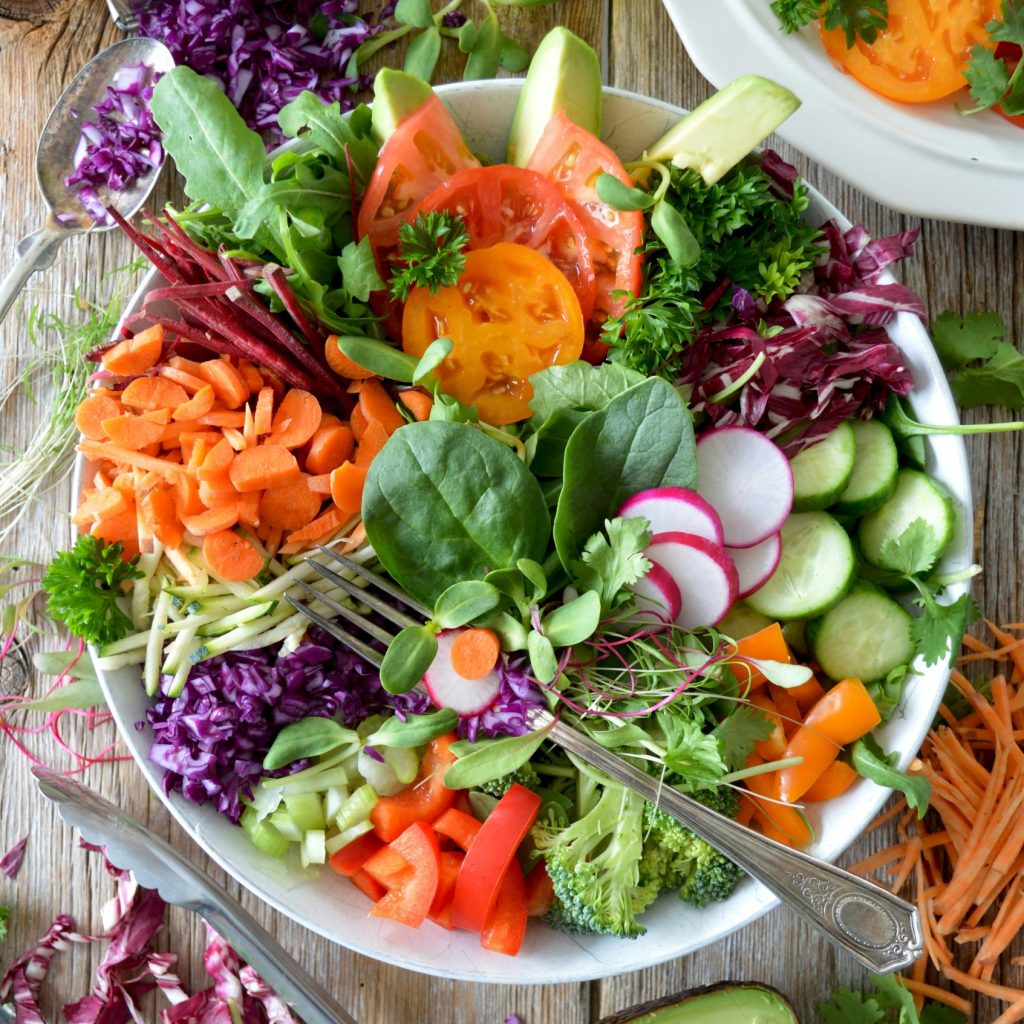
As a holistic nutritionist, I often tell many of my clients to increase their antioxidants and support their liver because of their health concerns (diabetes, cholesterol, exposure to smoke or chemicals, brain fog, fatigue, just to name a few).
Antioxidants help protect the body from free radicals. Free radicals can damage cells, impairing the immune system and lead to infections and various degenerative diseases such as heart disease and cancer. Antioxidants play a beneficial role in the prevention of disease.
One of the top Antioxidants, Alpha-Lipoic Acid (ALA) is a very powerful anti-oxidant, by itself and also as a ‘recycler’ of Vitamin E and C. It is soluble in both fat and water, which helps it to move into all parts of the cells to deactivate free radicals. In Europe, ALA has helped to treat people with peripheral nerve degeneration and help control blood sugar levels in people with diabetes. It may help to detoxify the liver of metal pollutants, block cataract formation, protect nerve tissues against oxidative stress and reduce blood cholesterol levels.
According to Lester Packer, Ph.D., professor of molecular and cell biology at the UC Berkley and leading antioxidant researcher, ALA could play an important role in the prevention and treatment of chronic degenerative diseases such as diabetes and cardiovascular disease. Because it is known as a metabolic antioxidant, and without it, cells cannot use sugar to produce energy. The body does not produce large amounts of ALA. Only a few foods have naturally occurring ALA: spinach, broccoli, potatoes, brewer’s yeast, and organ meats. Supplementation may be necessary. That’s why I am a fan of quality supplements. Some herbs also have natural antioxidants. Bilberry, Gingko Biloba, Burdock, and Garlic, to name a few.
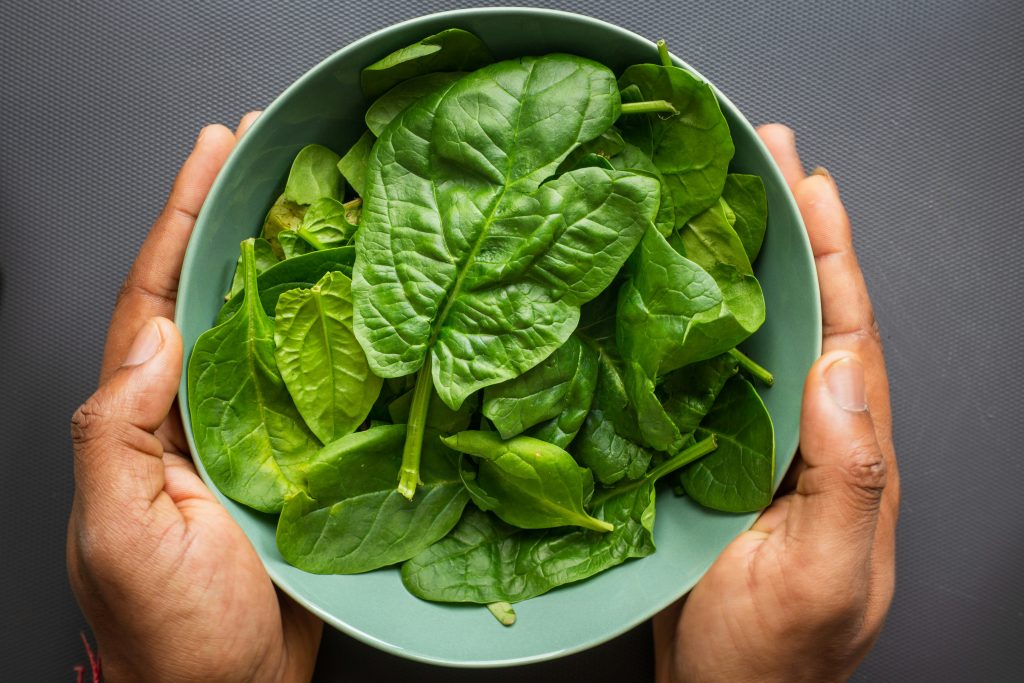
Here are my recommendations for foods that are high in antioxidants:
Red grapes
Strawberries
Apricots
Mangos
Tomatoes
Figs
Raspberries
Peaches
Pears
Kiwi
Cherries
Guava
Oranges
Green peppers
Broccoli
Tomatoes
Kiwi
Pinapple
Lemons
Microgreens
And consider these to combat free radicals:
Vitamin A & Carotenoids
Green tea (my favorite)
Melatonin
Vitamin C
Super Oxide Dismutase
Coenzyme Q10 (found in meats, peanuts, sardines and spinach)
Methionine
NADH( Nicotinamide adenine dinucleotide hydrogen)
Curcumin(Turmeric)
Glutathione
Grape Seed Extract
Zinc
Vitamin E
These are particularly helpful for the Liver and are often easy if taken in supplement/herbal formulas:
NAC (N-Acetylcysteine)
Artichoke
Milk Thistle
Dandelion
Choline
Silymarin
An Introduction to Free Radicals
I can’t mention antioxidants without explaining Free Radicals. Free radicals are a term many people do not understand. If that’s you, you’re not alone. I’ll explain.
Free radicals are normally present in the body in small numbers. Biochemical processes naturally lead to the formation of free radicals, and under normal circumstances, the body can keep them in check. Indeed, not all free radicals are bad. Free radicals produced by the immune system destroy viruses and bacteria. Other free radicals are involved in producing vital hormones and activating enzymes needed for life. We need free radicals to produce energy and various substances that the body requires. We are amazing, aren’t we?
If there is excessive free radical formation, however, damage to cells and tissues can occur. The formation of a large number of free radicals stimulates the construction of more free radicals, leading to even more damage. Many different factors can lead to an excess of free radicals. Exposure to radiation whether from the sun or from medical X-rays, activates the formation of free radicals, as does exposure to environmental pollutants such as tobacco smoke and automobile exhaust. Diet also can contribute to the formation of free radicals.
When the body obtains nutrients through the diet, it utilizes oxygen and these nutrients to create energy. In this oxidation process, oxygen molecules containing unpaired electrons are released. These oxygen-free radicals can cause damage to the body if produced in extremely large amounts. A diet high in fat can increase free radical activity because oxidation occurs more readily in fat molecules than in carbohydrate or protein molecules. Cooking fats at high temperatures particularly frying foods in oil, can produce large numbers of free radicals.
The presence of a dangerous number of free radicals can alter the way in which the cells code genetic material. Changes in protein structure can occur as a result of errors in protein synthesis. The body’s immune system may then see this altered protein as a foreign substance and try to destroy it. The formation of mutilated proteins can eventually damage the immune system and lead to leukemia and other types of cancer, as well as many other diseases. In addition to damaging genetic material, free radicals can destroy protective cell membranes. Calcium levels in the body may be upset as well. Over time, the body produces more free radicals than it does scavengers. The resulting imbalance contributes to the aging process.
Substances known as antioxidants (which are better taken in small amounts and a variety rather than one single large amount) neutralize free radicals by binding to their free electrons. Antioxidants available in supplement form include the enzymes superoxide dismutase and glutathione peroxidase; vitamin A, beta-carotene, and vitamins C & E; minerals Selenium and Zinc; and the hormone melatonin. Remember, more is not better, so small amounts usually can create the desired changes. By destroying free radicals, antioxidants help to detoxify and protect the body. This is health, healing and nutrition that works!
Are you ready to stop guessing and start supporting your liver and cellular health at the root cause? Click here to schedule a consultation with Health Detective Wendy to design a personalized functional nutrition plan for detoxification and vibrant health