Maintaining a healthy heart is essential for a long and fulfilling life. A balanced diet is a critical component of keeping your heart healthy. Nutritionists suggest incorporating specific foods into your diet that are proven to promote heart health. Here is a list of the best foods for a healthy heart as suggested by nutritionists.
Understanding the Importance of Heart-Healthy Foods
Heart-healthy foods are essential for maintaining optimal heart health. Eating a diet that is high in saturated and trans fat, sodium, and added sugars can increase your risk of heart disease. Instead, incorporating a diet that is high in nutrients like fiber, vitamins, and minerals can have a protective effect against heart diseases.
Heart disease is the leading cause of death worldwide, and a poor diet is a major contributor to this. The good news is that making changes to your diet can have a significant impact on your heart health. By including heart-healthy foods in your diet, you can reduce your risk of heart disease and improve your overall health and well-being.
So, what are heart-healthy foods? These include fruits, vegetables, whole grains, lean protein sources, and healthy fats. Fruits and vegetables are high in fiber, vitamins, and minerals, which are essential for maintaining a healthy heart. Whole grains, such as brown rice and whole-wheat bread, are also high in fiber and can help lower cholesterol levels. Lean protein sources, such as chicken and fish, are low in saturated fat and can help maintain a healthy weight. Healthy fats, such as those found in nuts and avocados, can help lower cholesterol levels and reduce the risk of heart disease.
The Connection Between Diet and Heart Health
Your diet plays a crucial role in maintaining your heart health. A diet that is high in fruits, vegetables, whole grains, lean protein sources, and healthy fats has been shown to reduce the risk of heart disease. On the other hand, a diet that is high in saturated and trans fats, sodium, and added sugars can increase the risk of heart disease over time.
It’s important to note that not all fats are created equal. Saturated and trans fats, which are found in foods like red meat, butter, and fried foods, can raise cholesterol levels and increase the risk of heart disease. On the other hand, healthy fats, such as those found in fish and nuts, can help lower cholesterol levels and reduce the risk of heart disease.
Additionally, consuming too much sodium can increase blood pressure, which is a risk factor for heart disease. It’s important to read food labels and choose foods that are low in sodium. Foods that are high in added sugars, such as soda and candy, can also increase the risk of heart disease. Choosing whole foods that are naturally sweet, such as fruit, can help satisfy a sweet tooth without the added sugars.

The Role of Nutritionists in Heart Health
Nutritionists play a key role in promoting heart health. They provide guidance on how to make healthy food choices and create customized meal plans that are tailored to an individual’s health needs. Nutritionists educate their clients on how to read food labels and identify foods that are high in nutrients and low in harmful fats, sodium, and added sugars.
Nutritionists can also help individuals who have been diagnosed with heart disease or are at high risk of developing heart disease. They can help create meal plans that are low in saturated and trans fats, sodium, and added sugars, while also ensuring that the individual is getting all the necessary nutrients to maintain good health.
Overall, incorporating heart-healthy foods into your diet is essential for maintaining optimal heart health. By working with a nutritionist and making small changes to your diet, you can reduce your risk of heart disease and improve your overall health and well-being.
Top Heart-Healthy Foods Recommended by Nutritionists
Fruits and Vegetables for a Healthy Heart
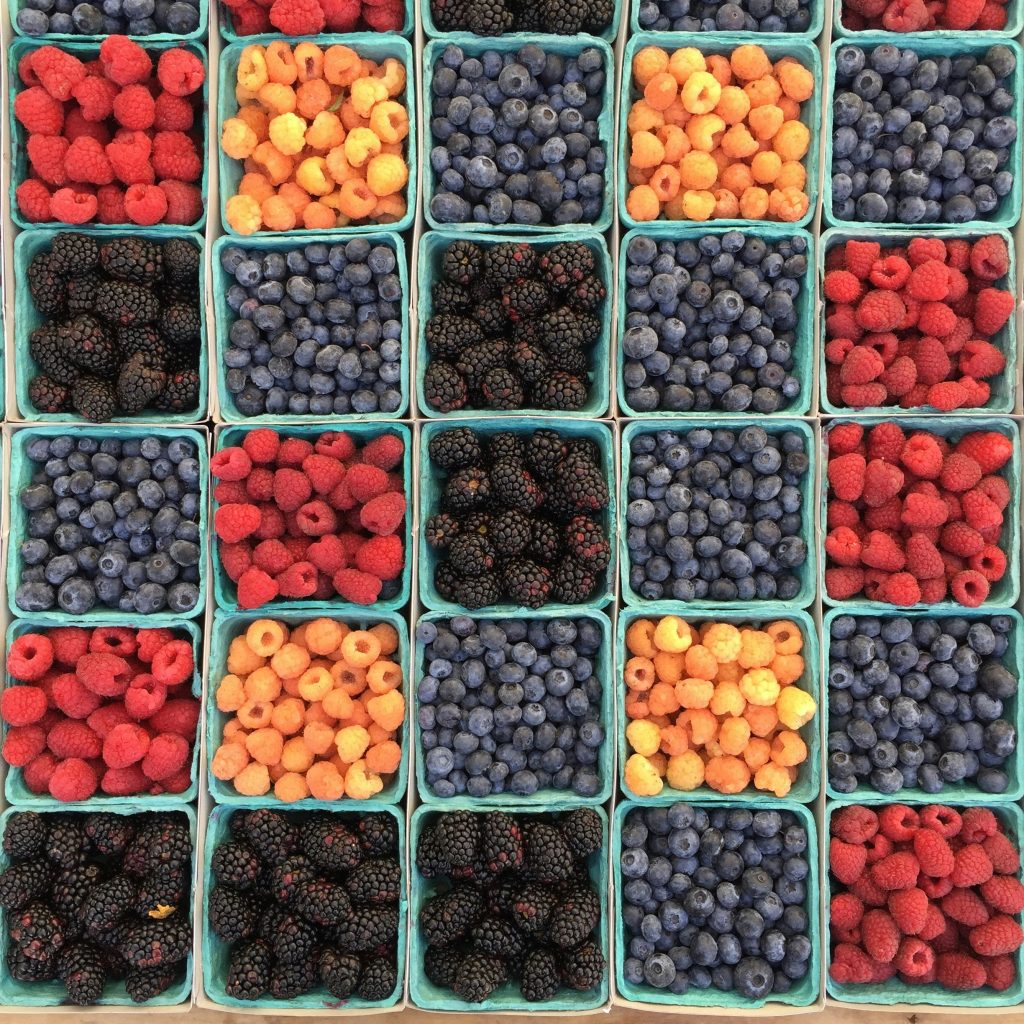
Fruits and vegetables are crucial for maintaining optimal heart health. They are rich in vitamins, minerals, fiber, and antioxidants that have been shown to reduce the risk of heart disease. Incorporating a variety of colorful fruits and vegetables into your diet can help keep your heart healthy.
Whole Grains and Their Benefits
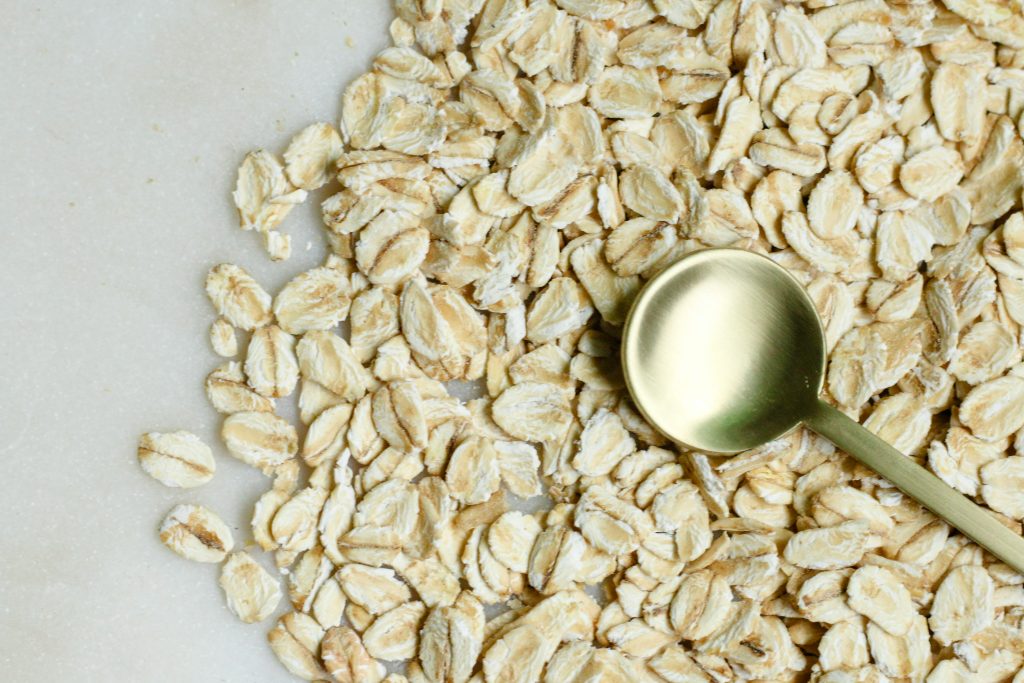
Whole grains like oatmeal, brown rice, and quinoa are excellent sources of fiber, which can help reduce cholesterol levels and lower the risk of heart disease. Incorporating whole grains into your diet is an easy way to keep your heart healthy.
Lean Protein Sources for Heart Health
Lean protein sources like chicken, turkey, fish, and legumes are essential for maintaining heart health. They are rich in nutrients like omega-3 fatty acids, which have been shown to reduce the risk of heart disease. Incorporating lean protein sources into your diet can have a protective effect against heart diseases.
Healthy Fats and Their Role in Heart Health
Healthy fats like those found in nuts, seeds, avocados, and olive oil are essential for maintaining optimal heart health. They can help reduce cholesterol levels and lower the risk of heart disease. Incorporating healthy fats into your diet is an easy way to keep your heart healthy.
The Role of Antioxidants and Anti-Inflammatory Foods
Heart disease is one of the leading causes of death worldwide. Fortunately, there are steps you can take to reduce your risk of developing heart disease. One of the most effective ways to protect your heart is by consuming a diet rich in antioxidants and anti-inflammatory foods.
How Antioxidants Protect the Heart
Antioxidants are molecules that protect the body from the harmful effects of free radicals. Free radicals are unstable molecules that can damage cells and contribute to the development of chronic diseases, including heart disease. Antioxidants neutralize free radicals, preventing them from causing harm to the body.
Research has shown that consuming foods that are rich in antioxidants can have a protective effect against heart disease. Berries, leafy greens, and dark chocolate are all excellent sources of antioxidants. These foods can help reduce inflammation in the body, which is a major risk factor for heart disease.
In addition to consuming antioxidant-rich foods, you can also take supplements to boost your antioxidant levels. Vitamin C, vitamin E, and beta-carotene are all powerful antioxidants that can help protect your heart. However, it’s important to talk to your doctor before taking any supplements, as they can interact with certain medications and have side effects.
Anti-Inflammatory Foods for Heart Health
Chronic inflammation is another major risk factor for heart disease. Inflammation is a natural response of the immune system to injury or infection. However, when inflammation becomes chronic, it can damage the arteries and contribute to the development of heart disease.
Eating a diet rich in anti-inflammatory foods can help reduce inflammation in the body and protect your heart. Fatty fish, nuts, and leafy greens are all excellent sources of anti-inflammatory nutrients. Fatty fish like salmon, mackerel, and sardines are rich in omega-3 fatty acids, which have been shown to reduce inflammation in the body. Nuts like almonds and walnuts are rich in healthy fats and antioxidants, which can also help reduce inflammation.
Leafy greens like spinach, kale, and collard greens are rich in vitamins and minerals that can help reduce inflammation. They are also low in calories and high in fiber, making them an excellent addition to any heart-healthy diet.
In conclusion, consuming a diet rich in antioxidants and anti-inflammatory foods is one of the best ways to protect your heart. By incorporating these foods into your diet, you can reduce your risk of developing heart disease and enjoy better overall health.
Tips for Incorporating Heart-Healthy Foods into Your Diet
Heart disease is the leading cause of death worldwide, but incorporating heart-healthy foods into your diet can help reduce your risk. Here are some tips for making heart-healthy choices:
Meal Planning for a Heart-Healthy Diet
Meal planning is an excellent way to ensure that you are incorporating heart-healthy foods into your diet. When planning your meals, aim to include a variety of fruits, vegetables, whole grains, lean protein sources, and healthy fats. A heart-healthy meal might include grilled salmon with quinoa and roasted vegetables or a spinach salad with grilled chicken and avocado.
When planning your meals, try to think about the different colors of the rainbow. Including a variety of colorful fruits and vegetables in your meals ensures that you are getting a range of nutrients that are essential for heart health. For example, red and pink produce like tomatoes and watermelon contain lycopene, a powerful antioxidant that can help reduce the risk of heart disease.
Heart-Healthy Snack Ideas
Snacking on heart-healthy foods is an easy way to incorporate them into your diet. When choosing snacks, try to opt for whole foods rather than processed snacks that are high in sugar and unhealthy fats. Here are some heart-healthy snack ideas:
- Berries: Blueberries, raspberries, and strawberries are all packed with antioxidants that can help reduce inflammation and lower the risk of heart disease.
- Raw vegetables with hummus: Carrots, celery, and bell peppers are all great options for dipping in hummus, which is made from heart-healthy chickpeas.
- Unsalted nuts: Almonds, walnuts, and pistachios are all high in healthy fats and can help reduce cholesterol levels.
Making Heart-Healthy Choices When Dining Out
Dining out can be a challenge when trying to make healthy food choices, but there are specific tips that you can follow to ensure that your meal is heart-healthy. Here are some suggestions:
- Choose grilled or baked lean protein sources: Instead of fried chicken or beef, opt for grilled or baked chicken or fish. These options are lower in unhealthy fats and calories.
- Opt for vegetable sides: Instead of fries or other fried sides, choose steamed or roasted vegetables. These options are higher in fiber and lower in unhealthy fats.
- Avoid foods that are fried or have added sugars: Fried foods and foods with added sugars are often high in unhealthy fats and calories. Try to choose menu items that are grilled, baked, or steamed.
By making these simple changes to your diet, you can help reduce your risk of heart disease and improve your overall health.
Final Thoughts
Eating a heart-healthy diet is a critical component of maintaining optimal heart health. Incorporating specific foods like fruits, vegetables, whole grains, lean protein sources, and healthy fats can have a protective effect against heart diseases. Nutritionists play a critical role in promoting heart health by providing guidance, education, and customized meal plans tailored to an individual’s health needs. By following the tips mentioned above, you can easily incorporate heart-healthy foods into your diet and keep your heart healthy for years to come.
Want personalized recommendations? Start by booking a free 20-min discovery call to get started!